Skip to content

Updated

EdTech marketing agency in India

EdTech marketing agency filling batches with paid students.

From Chennai, for course, test-prep and upskilling platforms across India: Google, YouTube, Meta and LinkedIn ads, judged every Monday on cost per paid enrolment.
Where your students come from

The ads that bring paid students to your courses

As an EdTech marketing agency, we run the ads where students and parents start: Google Ads for people searching “NEET coaching online” today, YouTube for viewers of exam-prep and free-class videos, and Facebook and Instagram for parents and learners before they search. Each lead lands in WhatsApp and your CRM with the demo-class link.

Students searching for a course today

Google Ads

  • Search ads
  • Performance Max
  • Call ads
  • Lead forms in the ad

Ads on searches like “JEE online coaching” and “data analytics course online”, by exam, course and city, with a call button and a form inside the ad. We tell Google which leads paid and stayed, so it shows your ad to more people like them.

Reaches
Parents of aspirantsWorking professionalsRepeat aspirants
We judge it by
Cost per paid enrolment by campaign, from your CRM

How we run Google Ads
neet coaching online class 12 AllMapsImagesNews Sponsored YYour academyyouracademy.in › neet NEET Online Batch · Free Demo Class This Sunday Live classes, recorded lectures and doubt-solving. Batch dates, full fee and refund policy on one page. Free demo classBatch datesFee & EMIRefund policyCall

Aspirants who watch free classes

YouTube ads

  • In-stream ads
  • Shorts ads
  • Demand Gen ads
  • Ads to your channel viewers

Your faculty solving a real NEET physics question before the skip button appears at 5 seconds (YouTube Help), as in-stream and Shorts ads on exam-prep videos, plus ads to people who watched your free classes (remarketing).

Reaches
Parents of aspirantsRepeat aspirants
We judge it by
Cost per paid enrolment not views
How we run YouTube ads
Free demo classOne NEET physics question, solved live Sponsored0:05 Skip Y NEET online batch: book a free demo classSponsored · youracademy.in Sign up NEET physics: rotational motion in one shot

Parents and learners not searching yet

Facebook & Instagram ads

  • Click-to-WhatsApp ads
  • Lead form ads
  • Reels ads
  • Enrolment data sent back

Reels from a real class, lead forms that ask the exam, class and city, and Click-to-WhatsApp ads that book a free demo inside the chat. We target parents, never students under 18, and send paid enrolments back to Meta.

Reaches
Parents of aspirantsWorking professionalsRepeat aspirants
We judge it by
Cost per paid enrolment by ad set, from your CRM
How we run Facebook & Instagram ads
Sound familiar?

What’s keeping your batches half full?

Demos booked. Nobody turns up.

The free class fills with sign-ups; few log in. Counsellors call two days later, and the parent has already chosen another batch.

Sold in March, refunded in May.

The parent paid on a counsellor’s call, the EMI started, the student attended one class. Now: a refund request and a complaint.

Students cost more than they pay.

Trial sign-ups pour in; few pay. Each paid student costs more to win than the fee, and fewer still buy the next course.

Targeting strategy

Who we target, and how we reach them

We start from your course, not from the ad platform. A data analytics cohort is bought by a working professional, a JEE batch by a parent, a test series by a repeat aspirant. Each searches and scrolls in different places and gets its own targeting and message, and every paid student tells Google and Meta who to find next.

Upskilling cohorts and certificates

Working professionals

Engineers, analysts and managers a few years into work, paying for a better role, often on EMI.

What they seeThe syllabus, live-class hours, the full fee and EMI terms, and what placement support covers.

How we find them
  • Job titles and years of experience
  • Searches like “data analytics course online”
  • Visitors to your course page
  • People like your past paid students
Where

Class 11–12 JEE and NEET batches

Parents of aspirants

Parents who choose and pay for the batch. Students under 18 aren’t targeted; their parents are.

What they seeThe faculty, the batch timetable, the full fee and refund policy, and a free demo class.

How we find them
  • Searches like “NEET coaching online”
  • Parents’ age band in your cities
  • Viewers of your free YouTube classes
  • People like parents who enrolled before
Where

Test series and crash courses

Repeat aspirants

Droppers and graduates taking JEE, NEET, UPSC or CAT again, who know exactly what they lack.

What they seeA free mock test, a score analysis, then the course that fixes the weak sections.

How we find them
  • Searches like “CAT mock test series”
  • Viewers of exam-strategy videos
  • Your free mock-test takers
  • Past leads who didn’t enrol
Where

Team seats in a cohort

Companies buying seats

HR and L&D heads training teams in data, cloud or management, paying per seat.

What they seeA team syllabus, a pilot cohort, and reports on who attended and finished.

How we find them
  • HR and L&D job titles
  • Company size and industry
  • Searches like “corporate data analytics training”
Where

Every paid student sharpens the targeting. Enrolments that stay past the refund window go back to Google, Meta and LinkedIn, which then find more people like them.

What we’d run

What we’d run for your platform

Stop paying for leads that never pay.

Wrong class, wrong city, a number that never picks up: counsellors burn the day on forms. We ask the exam, class and city in the form, add Click-to-WhatsApp for parents who’d rather chat, and send paid enrolments back so Google and Meta stop finding form-fillers.

  • Exam, class and city in every form
  • Higher-intent lead forms on Meta
  • Junk reasons tagged in the CRM
  • Paid enrolments sent back to the ads
How we fix demo no-shows

How more demo leads become paid students

Speed, reminders, then the counsellor. Every lead gets a WhatsApp reply in minutes with the demo link, a reminder before class and a counsellor call while the class is fresh. Your team marks each paid enrolment in the CRM; after the refund window, we send it to Meta and Google through conversion tracking.

Ad, lead, reply, demo, paid enrolment. Then Google and Meta find more students who stay.
  1. The ad brings a lead

    A form, a WhatsApp chat or a webinar sign-up, from Google, Facebook, Instagram, YouTube or LinkedIn.

  2. A reply within minutes

    WhatsApp sends the demo link, the timetable and the full fee. Speed is the cheapest fix: in a LeadSquared case study, upGrad cut its average lead response time from 36 hours to 30 minutes.

  3. A reminder before class

    A reminder the day before and two hours before; no-shows get the recording and the next slot.

  4. The counsellor call, then payment

    Counsellors call attendees first, with the exam, class and questions already in the CRM. The paid enrolment is marked there.

  5. Students who stay go back to the ads

    After the refund window, each paid enrolment goes to Meta and Google (Conversions API, offline conversion import). For school students we send the parent’s enrolment, never the child’s data.

What we report every Monday

The number we report: cost per paid enrolment

Cost per paid enrolment is your ad spend divided by the enrolments your team marked paid in the CRM that are still paid after the refund window, by campaign. We send it every Monday with the two numbers before it: demo show-ups and counsellor calls connected. Cost per lead rewards cheap sign-ups; this counts students who stayed.

The number

Cost per paid enrolment

What your ads cost for each student who paid and stayed.

Ad spendPaid enrolments after refunds

Every Monday · from your CRM

Read from

  • Zoho CRM. Demos attended, counsellor calls, paid enrolments and refunds.
  • LeadSquared or your own CRM. We map its stages in week one.
  • Google Ads. Spend by campaign, exam and course, YouTube included.
  • Meta. Spend by campaign and ad set, across Facebook and Instagram.
  • LinkedIn. Spend by campaign and job title.
Ad spend ÷ paid enrolments after refunds, week by week, by channel.
  • Why not cost per lead?

    A cheap sign-up who never attends the demo is the dearest lead you’ll buy.

  • Why not count before refunds?

    A seat refunded in week two isn’t a student. Counting it hides the ads that oversell.

  • What about renewals?

    Class 11 into Class 12, a test series into the full course: campaigns whose students come back get more budget.

Let’s fill your next batch with students who stay.

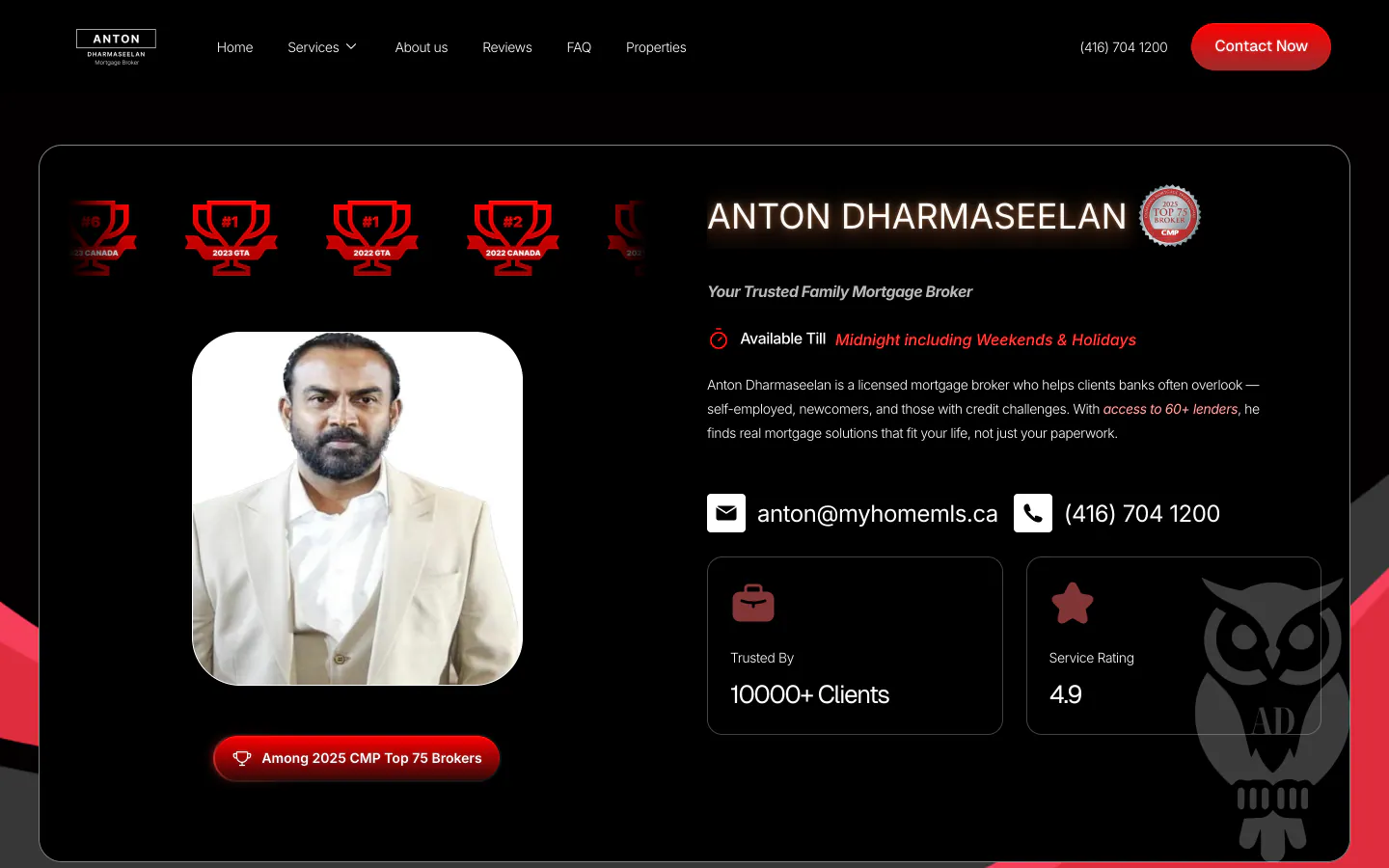
Finding the right leads was always a challenge for our mortgage business. With targeted campaigns and WhatsApp automation, we started receiving better enquiries and converting more prospects into sales. We also achieved a 4.6-star Google rating. Very happy with the results!

4.6Google rating

Anton DharmaseelanMortgage Broker, Canada What we did WebsiteLead generationWhatsAppSEO
Free classes, counsellors or ads

Do you still need ads if YouTube works?

Yes, beside it, not instead of it. Free classes on YouTube and Telegram build trust slowly and keep paying back. Counsellors close; ads decide who they call. Ads put the right demo in front of the right parent or professional now, and show which campaign brought students who stayed.

  • Free classes

    What it costs
    Faculty time, every week
    How fast
    Slow to build, then it compounds
  • More counsellors

    What it costs
    Salaries and incentives per seat sold
    The risk
    Calls spent on leads that never pay
  • Your own ads, with us

    What it costs
    Ad spend plus our fee
    How fast
    Leads in the first week live
CCPA, ASCI and your ads

What your ads can and can’t claim

Since November 2024, CCPA’s coaching-ad guidelines bar promises of selection, rank or a job, and a topper ad needs written consent plus the rank, the course taken and whether it was paid or free. By December 2025 the regulator had sent 57 notices and penalised 28 institutes (IANS).

What an EdTech ad in India must and mustn’t do, with the rule it comes from
What it means for your adsSource
CCPA coaching adsNo promised selection, rank or job. Toppers only with written consent, showing rank, course and paid or free.CCPA guidelines on misleading coaching ads, 13 November 2024 (reported by Storyboard18)
Ministry of EducationPublish the fee and the exit and refund policy; pro-rata refund within 10 days when a student leaves. No rank or marks promises.Guidelines for Regulation of Coaching Centres, January 2024 (advisory; states legislate)
ASCINo “100%” claims such as “100% placement”; every claim backed by evidence.ASCI guidelines for educational institutions, programmes and platforms, 2023
Dark patternsNo fake countdown timers, false “last few seats” or free trials that turn paid without clear consent.CCPA guidelines on dark patterns, November 2023
Children’s dataVerifiable parental consent for under-18s; no tracking or targeted ads aimed at children. Target the parent.DPDP Act 2023, section 9, and DPDP Rules 2025 (staged rollout)
Google and MetaGoogle: no improbable results; the full cost shown. Meta: under-18s targeted by age and location only.Google Ads Misrepresentation policy; Meta (January 2023)
First 90 days

Your first 90 days, week by week.

  1. Weeks 1–2Audit

    We look at your leads, demos and refunds.

    Leads and enrolments audit0 of 4 checks
    • Ads, forms and search terms
    • How fast leads get a reply
    • Demo show-ups and counsellor calls
    • Claims on every ad and page
  2. Weeks 3–4Build

    We set up the follow-up.

    Build0 of 4 live
    • Course pages with fee and refund policy
    • WhatsApp replies and demo reminders
    • CRM stages from lead to paid
    • Paid enrolments sent back to the ads
  3. Month 2Launch

    We go live, then learn.

    Launch0 of 3 steps
    • Your approval on every creative
    • Google, Meta, YouTube and LinkedIn live
    • First paid enrolments in the CRM
  4. Month 3Scale

    We scale what brings students who stay.

    Weekly routine0 of 3 jobs
    • Budget to ads whose students stay
    • Creative and page tests
    • Monday report from your CRM
FAQ

Questions about EdTech marketing

Leads, demos and enrolments

For a course or test-prep platform, it runs the ads and the follow-up: Google Ads for students searching, Facebook, Instagram and YouTube for parents and learners, LinkedIn for professionals, course pages with the full fee and refund policy, WhatsApp replies and demo reminders, and a CRM that tracks every lead to a paid enrolment. Each part is judged on students who pay and stay.

Usually the follow-up, not the ad. A reply that comes the next day, no reminder before the demo, and counsellors calling everyone in sign-up order lose more students than a weak creative. Fix first response time, reminders and the call order (attendees first), then buy more leads. We track each lead from the ad to payment, so you see where students drop off.

Education lead generation gets cleaner when the form asks what a real student knows: exam, class or job title, city and start date. We use higher-intent forms, Click-to-WhatsApp for parents who prefer to chat, and we send paid enrolments back to Google and Meta, so the platforms stop finding people who only fill forms. Cost per lead may rise; cost per student falls.

Yes. WhatsApp sends the demo link, timetable, fee and reminders automatically; your counsellors make the calls and close. We set up the CRM stages so they call demo attendees first, with the exam, class and questions already noted, and every Monday we show where each lead stopped, so the team knows which follow-ups to fix before more budget goes in.

They do different jobs. Google Ads catches students and parents searching “JEE online coaching” today. Facebook and Instagram ads reach parents and learners before they search. YouTube turns viewers of your free classes into demo sign-ups. LinkedIn reaches working professionals by job title. Most platforms need two or three of them, all judged on cost per paid enrolment.

Leads usually start in the first week a campaign is live, and demo show-ups follow within days when the reminders work. Paid enrolments follow your own sales cycle: quick for a crash course, slower for a year-long batch or a costly cohort, and the refund window adds weeks before we count them. We don’t promise a date; we report every Monday.

Refunds, rules and cost

Most fixable refunds start with a promise in the ad, on the page or on the counsellor’s call. We remove claims the course can’t keep, show the full fee, EMI terms and refund policy before payment, and tag refund reasons in the CRM. Students do complain: by February 2025 the National Consumer Helpline had won over 600 coaching students 1.56 crore in refunds (IANS).

No promise of selection, rank, marks or a job. A topper may appear only with written consent after the result, and the ad must say the rank, the course taken and whether it was paid or free (CCPA guidelines, November 2024). ASCI also bars “100% placement”, and Google rejects ads promising improbable results (Misrepresentation policy).

Not targeted ones. Meta lets advertisers reach under-18s by age and location only (Search Engine Land), and India’s DPDP Rules 2025 require verifiable parental consent and bar targeted ads aimed at children, in stages (Storyboard18). So for school batches we target parents, who choose and pay anyway, and send only parents’ enrolments back to the ads.

Two parts, on separate lines. Your media budget goes from your own ad accounts straight to Google, Meta and LinkedIn; our management fee depends on how many courses or exams we run, launch weeks and result seasons, creative volume, and whether the CRM, WhatsApp flows and tracking need building. On the call we price it against your fee and refund window.

We treat cost per paid enrolment after refunds as your real CAC, by channel. LTV is what a student pays across their time with you: Class 11 into Class 12, a test series into a full course, one certificate into the next. Campaigns that bring students who renew get more budget, even when their first enrolment costs more.

Fit

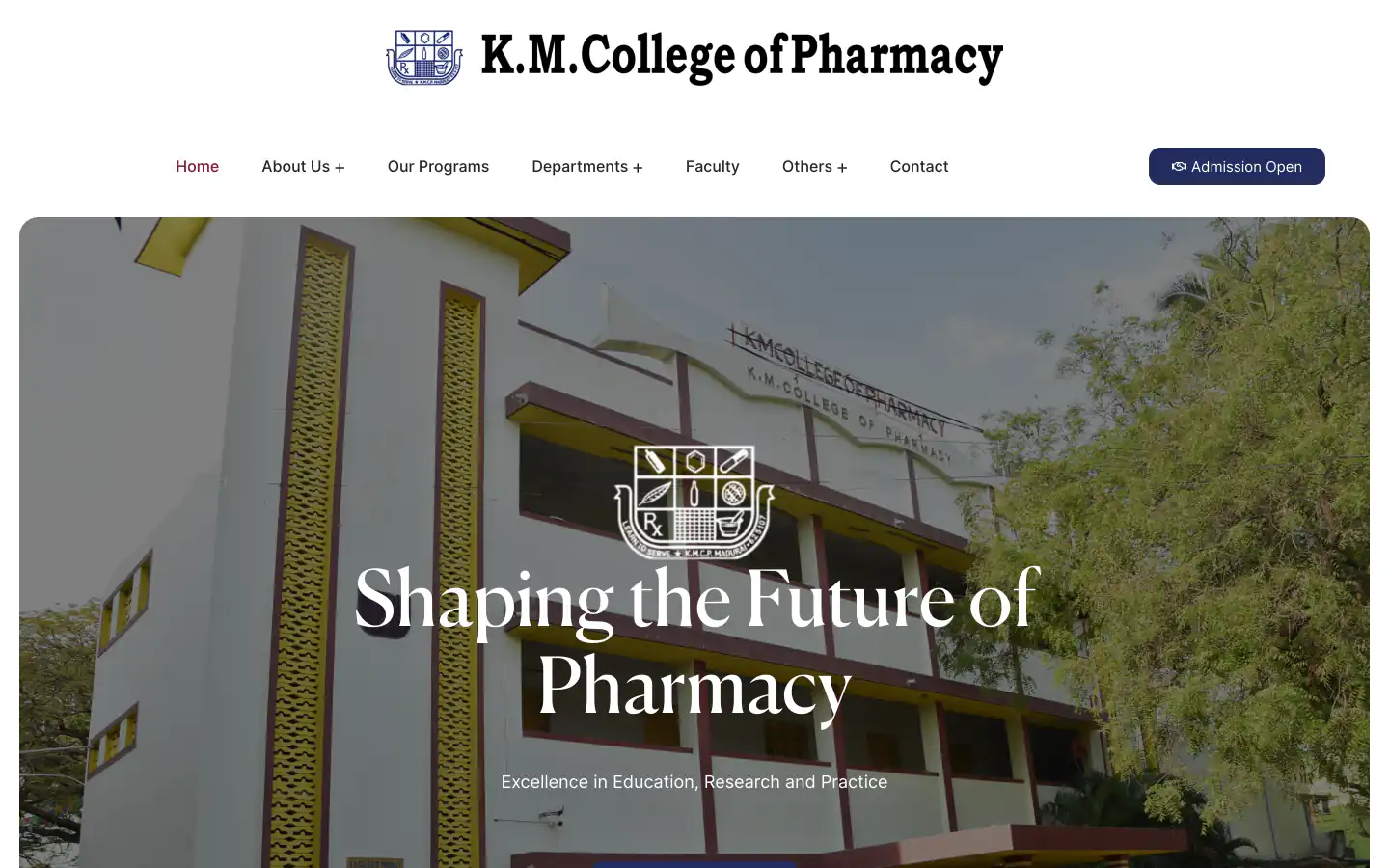
Not yet with an online course or test-prep platform, and we won’t pretend otherwise. Our closest work is a website for KMCP College and lead generation with WhatsApp follow-up for a mortgage broker in Canada. What carries over is the system on this page: ads judged on paid enrolments, WhatsApp reminders before every demo, and CRM stages from lead to payment. We start by auditing your leads.

An education marketing agency often works for schools and colleges filling seats once a year. A digital marketing agency for education platforms works on a faster clock: weekly batches and cohorts, free demos and webinars, counsellor calls, EMI and refund windows, result-day rules. We build for that clock, and for parents, droppers and working professionals as separate buyers.

Next step

Find out what a student who stays
costs you.

Book a free call

Marketing that shows up in your revenue.

Book a free 30-minute strategy call with Sunandha and the team.

We use these details only to reply to you and prepare for the call. See our privacy policy.

Open the full page