Skip to content

Updated

B2B SaaS marketing agency

B2B SaaS marketing agency: pipeline that pays back.

From Chennai, for Series A to C B2B SaaS teams selling in India, the US and the UK: Google Ads, LinkedIn and AI search, and a Monday cost-per-SQL report.
Where your buyers shortlist

The channels that bring SQLs, not ebook downloads

As a B2B SaaS marketing agency, we run the three places scaleup buyers shortlist software: Google Ads for teams searching your category today, LinkedIn for the accounts and job titles on your ICP list, and SEO and AI search for buyers asking ChatGPT and Google for options. Every lead lands in HubSpot or Salesforce, tied to its ad.

Teams searching your category now

Google Ads

  • Category search ads
  • Competitor search ads
  • Brand search
  • Demand Gen remarketing
  • Bidding on SQLs and deals

Ads on searches like “expense management software” and “alternative to” your rivals, split by country so US clicks see dollar pricing. Every SQL and closed-won deal in your CRM goes back to Google, so bidding chases pipeline, not ebook downloads.

Reaches
Mid-market accountsUS and UK buyersSelf-serve teams
We judge it by
Cost per SQL by campaign and country, from your CRM

How we run Google Ads
expense management software for mid size companies AllMapsImagesNews Sponsored YYour productyourproduct.com › demo Expense Software for Finance Teams · See a Demo Cards, approvals and receipts in one month-end close. Syncs with your ERP. Pricing in USD. PricingBook a demoIntegrationsCustomer stories

Named accounts and job titles

LinkedIn Ads

  • Sponsored Content
  • Lead Gen Forms
  • Document ads
  • Company list targeting
  • Retargeting site visitors

Your ICP account list uploaded to LinkedIn, narrowed by job title and level, each audience above LinkedIn’s 300-member minimum (LinkedIn Help). Guides and demo offers run as Lead Gen Forms that sync straight to HubSpot or Salesforce.

Reaches
Mid-market accountsUS and UK buyersYour existing customers
We judge it by
Cost per SQL by audience and account list
How we run LinkedIn Ads
YYour productPromoted Finance leads: close the month without chasing a single receipt. Guide for finance teamsThe month-end close playbook The month-end close playbookyourproduct.comDownload YYour product Get the playbook Work emailCompany nameJob titleCompany size Submit

Buyers building a shortlist

SEO & AI search

  • Use-case pages
  • “Alternative to” pages
  • Comparison pages
  • Integration pages

Pages for what buyers ask before a demo: use cases, integrations, “alternative to” and comparisons, written so ChatGPT, Perplexity and AI Overviews quote them. In G2’s 2025 buyer behavior report, 79% of software buyers said AI search changed how they research.

Reaches
Self-serve teamsUS and UK buyersMid-market accounts
We judge it by
SQLs from search demos and signups from organic and AI answers
How we run SEO & AI search
best expense management software for a mid size company AllMapsImagesNews AI Overview Your product suits mid-size finance teams that want cards, approvals and receipts in one close, with an ERP sync. Yyourproduct.com YYour productyourproduct.com › compare Expense software compared: features, integrations, pricing
Sound familiar?

What’s stopping your pipeline from scaling?

Spend up. Payback getting longer.

CAC payback slipped past a year, sales calls the MQLs junk, and the board wants payback by channel nobody can show.

The first channel has plateaued.

Brand and category search brought the first deals; now they’re flat. LinkedIn reaches the right titles at a price that breaks payback.

US trials that never book demos.

The US pricing page is the Indian one in dollars. Prospects sign up, never book a demo, and outbound starts landing in spam.

Targeting strategy

Who we target, and how we reach them

We start from your pricing, not the ad platform. An annual mid-market contract, a US plan, a self-serve monthly plan and the next module for an existing customer each have a different buyer, who searches and scrolls in different places. Each gets its own targeting and message, and every closed deal shows the ads who to find next.

Annual contracts, sold by your team

Mid-market accounts

The economic buyer and the team lead who’ll use it, at mid-size companies, after a demo.

What they seeA use-case page, a customer like them and a demo with your solutions team.

How we find them
  • Your ICP account list on LinkedIn
  • Job title and job level
  • Searches like “expense software for mid-size”
  • Visitors to your pricing page
Where

Dollar and pound plans

US and UK buyers

US and UK teams who don’t know you yet and check reviews and AI answers first.

What they seeLocal pricing, reviews from similar companies and a demo slot in their time zone.

How we find them
  • Country and region targeting
  • Category searches in their working hours
  • Accounts like your closed-won ones abroad
  • G2 and comparison-page readers
Where

Monthly plans on a card

Self-serve teams

Team leads who sign up, try the product this week and pay if it solves today’s problem.

What they seeThe free trial first; a sales call only when their company fits your ICP.

How we find them
  • Problem searches, not category searches
  • Signed up, not yet activated
  • Signups from companies on your ICP
Where

More seats, the next module

Your existing customers

Accounts already paying you, where other teams, regions or use cases haven’t adopted the product yet.

What they seeThe module they don’t have yet, shown to the team that needs it.

How we find them
  • Your customer list, uploaded with consent
  • Seat and usage data in the CRM
  • Other teams at the same companies
Where

Every closed deal sharpens the targeting. Closed-won deals from HubSpot or Salesforce go back to Google and LinkedIn, which then bid for accounts like the ones that bought.

What we’d run

What we’d run for your stage

Find what pays back. Cut the rest.

First we tie spend to pipeline: CRM stages from lead to closed-won, deals sent back to Google and LinkedIn, and CAC payback by channel. Then we cut the search terms and audiences that never became an SQL, and brand spend that only takes credit.

  • Lead to closed-won stages in your CRM
  • Deals sent back to Google and LinkedIn
  • CAC payback by channel, monthly
  • Search terms with no SQLs, cut
How we trace spend to pipeline

How every ad gets traced to pipeline

The click ID travels with the lead. Each ad click carries its Google or LinkedIn ID into the form and onto the contact in HubSpot or Salesforce. When sales marks an SQL or a closed-won deal, we send it back to the ads through conversion tracking, so bidding aims at accounts that become pipeline.

Click, demo request, SQL, closed-won. Then Google and LinkedIn bid for accounts like it.
  1. The click keeps its ID

    Every ad click carries Google’s or LinkedIn’s click ID into the demo or signup form, and we store it on the contact in your CRM.

  2. Sales marks the stage

    Your team marks SQL, opportunity and closed-won in HubSpot or Salesforce as it does today. No new tool to learn.

  3. The stage goes back to the ads

    SQLs and deals go to Google (offline conversion import, moving to the Data Manager API from 15 June 2026, per Google Ads Help) and to LinkedIn (Conversions API).

  4. Bidding aims at pipeline

    With deal values attached, the platforms bid for the searches and accounts that become SQLs, not the ones that only fill in forms.

  5. Payback by channel

    Spend and closed-won meet in one report: cost per SQL every Monday, CAC payback by channel every month.

What we report every Monday

The number we report: cost per SQL

Cost per SQL is your ad spend divided by the sales-qualified opportunities your team accepted in HubSpot or Salesforce, by channel. We send it every Monday with pipeline created, and each month CAC payback by channel. Cost per lead rewards cheap ebook downloads; cost per SQL shows which spend becomes pipeline.

The number

Cost per SQL

What your ads cost for each opportunity sales accepted.

Ad spendSQLs in your CRM

Every Monday · from your CRM

Read from

  • Your CRM. Salesforce or HubSpot: which leads became SQLs, pipeline and closed-won.
  • Google Ads. Spend by campaign, country and search type.
  • LinkedIn. Spend by campaign, audience and account list.
  • GA4. Signups, demo requests and pricing-page visits: the early signals.
Ad spend ÷ SQLs, week by week, by channel.
  • Why not cost per lead?

    A student downloading your ebook is a lead. It isn’t pipeline.

  • Why not MQLs?

    Marketing sets the MQL score. Sales accepts the SQL.

Let’s trace your spend to pipeline.

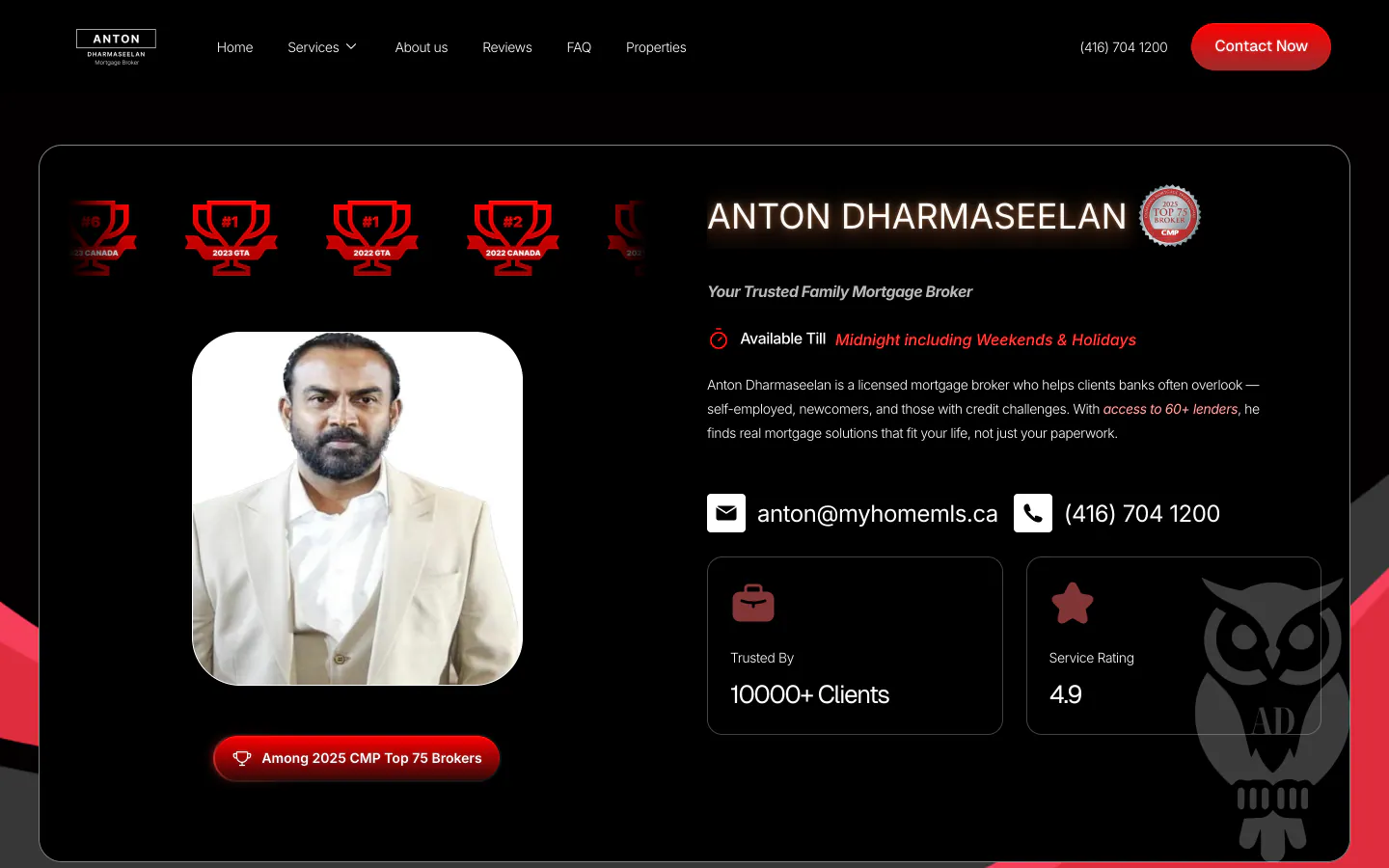
Finding the right leads was always a challenge for our mortgage business. With targeted campaigns and WhatsApp automation, we started receiving better enquiries and converting more prospects into sales. We also achieved a 4.6-star Google rating. Very happy with the results!

4.6Google rating

Anton DharmaseelanMortgage Broker, Canada What we did WebsiteLead generationWhatsAppSEO
Review sites, outbound or your own ads

G2, an outbound agency or your own pipeline?

G2 and Capterra put you on the shortlist, next to every rival in your category. An outbound agency is usually paid for meetings booked, not deals won. Your own ads, pages and outbound bring buyers only you get, into your CRM, judged on cost per SQL.

  • Review marketplaces

    Who sees the buyer
    You, beside every rival in the category
    What you pay
    A paid profile or bids per click
  • Outbound SDR agency

    Who sees the buyer
    You, once their SDR books the meeting
    What you pay
    A retainer or a fee per meeting
  • Your own pipeline, with us

    Who sees the buyer
    Only you, in your CRM
    What you pay
    Ad spend plus our fee
Outbound and ad rules abroad

Will our US and UK outbound land in spam?

Not if it follows three sets of rules. Gmail asks bulk senders for SPF, DKIM, DMARC, one-click unsubscribe and a spam rate under 0.10% (Google). In the US, CAN-SPAM covers business email too (FTC). In the UK, email to companies needs an opt-out (ICO).

What changes your outbound in each market you sell into, with the rule it comes from
What it means for youSource
Gmail, every marketOver 5,000 messages a day to Gmail: SPF, DKIM, DMARC and one-click unsubscribe; spam rate under 0.10%, never 0.30%.Google Workspace Admin Help, email sender guidelines
United StatesYour postal address and an opt-out in every email, honoured within 10 business days. No exception for B2B email.FTC, CAN-SPAM compliance guide
United KingdomEmail to companies and LLPs needs no prior consent, but must name the sender and offer an opt-out. Sole traders count as individuals.ICO guidance on business-to-business marketing (PECR)
First 90 days

Your first 90 days, week by week.

  1. Weeks 1–2Audit

    We trace your spend to pipeline.

    Spend and pipeline audit0 of 4 checks
    • Ad accounts and search terms
    • CRM stages, lead to closed-won
    • Click IDs on every form
    • Sending domains and spam rate
  2. Weeks 3–4Build

    We connect your CRM to the ads.

    Build0 of 4 live
    • Demo pages by use case and country
    • Deals sent back to Google and LinkedIn
    • ICP account lists on LinkedIn
    • SPF, DKIM and DMARC on outbound
  3. Month 2Launch

    We test channels on fixed budgets.

    Launch0 of 3 steps
    • Your approval on every creative
    • Google, LinkedIn and outbound live
    • First SQLs marked in the CRM
  4. Month 3Scale

    We scale what makes pipeline.

    Weekly routine0 of 3 jobs
    • Budget to the lowest cost per SQL
    • Monday report from your CRM
    • CAC payback by channel, monthly
FAQ

Questions about B2B SaaS marketing

Pipeline, CAC and cost

For a Series A to C company, a SaaS digital marketing agency should own new pipeline, not traffic: Google Ads and LinkedIn to your ICP, pages that win searches and AI answers, outbound inside each country’s rules, and the CRM plumbing that ties every SQL and deal to the ad that started it. Judge it on cost per SQL and CAC payback by channel.

It depends on deal size. Aleph and Benchmarkit’s 2026 benchmarks put the median B2B SaaS CAC payback at 16 months for 2025: 11 months under 5,000 dollars ACV and 22 months at 50,000 to 100,000 dollars. Find your band, then compare channels inside it. We report payback by channel each month, so the board sees which spend earns back fastest.

For context, the median private B2B SaaS company spends 8% of ARR on marketing and 15% on selling (SaaS Capital, 2026, 1,000+ companies). Our fee is a separate line from your media budget, which goes from your own ad accounts to Google and LinkedIn; it depends on channels, countries, content volume and whether CRM tracking needs building.

Demo requests and signups usually start in the first week a campaign is live. SQLs follow as your team qualifies them, but closed-won runs on your sales cycle, which on larger deals is months away. So we judge early spend on cost per SQL and pipeline created, every Monday, and CAC payback by channel once a quarter of deals has closed. We don’t promise a date.

Form-fills were the number it was judged on. Ours is cost per SQL, from the stages your sales team marks in HubSpot or Salesforce, and those SQLs and closed-won deals go back to Google and LinkedIn, so bidding learns from pipeline. If a campaign fills forms and sales rejects the leads, the Monday report shows it, and the campaign gets cut.

Channels and search

Different jobs. Google Ads catches teams already searching your category or a rival’s name: high intent, limited volume, and it plateaus. LinkedIn reaches the accounts and job titles on your ICP list before they search, at a higher cost per click. Most scaleups need both; we judge each on cost per SQL, not clicks or impressions.

Often, for software categories where buyers check reviews before a demo. But on G2 and Capterra the buyer compares you with every rival on the same page, and you don’t control the follow-up. Keep your profile strong and reviews current, run paid placements only where SQLs follow, and judge them on the same number as your own ads: cost per SQL.

Yes, as part of pipeline, not as a separate traffic project. As a SaaS SEO agency we build use-case, integration, comparison and “alternative to” pages, written so Google, ChatGPT and Perplexity can quote them when a buyer asks for a shortlist. Organic SQLs sit in the same Monday report as paid, judged on the same cost per SQL. See SEO.

Yes, for named accounts on your ICP list: researched contacts, short emails from a separate warmed domain with SPF, DKIM and DMARC, and replies routed to your reps in HubSpot or Salesforce. We follow US and UK email rules and never use LinkedIn automation bots, which LinkedIn prohibits. Outbound is judged on cost per SQL like every channel; see lead generation.

US expansion and fit

As a separate launch, not a translation. A US page with dollar pricing and proof American buyers trust, campaigns split by country and time zone, demo slots in their hours, and a G2 profile with reviews before the ads scale. Outbound runs from a separate warmed domain, not your main one. We report US and India cost per SQL side by side.

We work with it. Your head of marketing or demand gen owns the plan, the budget and every approval, and RevOps keeps HubSpot or Salesforce: your team marks SQLs and deals as it does today. We run the campaigns, pages and outbound, add the fields that carry each click’s ID back to Google and LinkedIn, and send the Monday report. Nothing goes live without their sign-off.

Because the launch runs on a system you can check, and we already run lead generation for a mortgage broker in Canada. Demo requests route to your reps in US and UK hours, US-English ad copy goes live only after you approve it, and US and India cost per SQL sit side by side every Monday. Weekly calls sit in the hours our working days overlap.

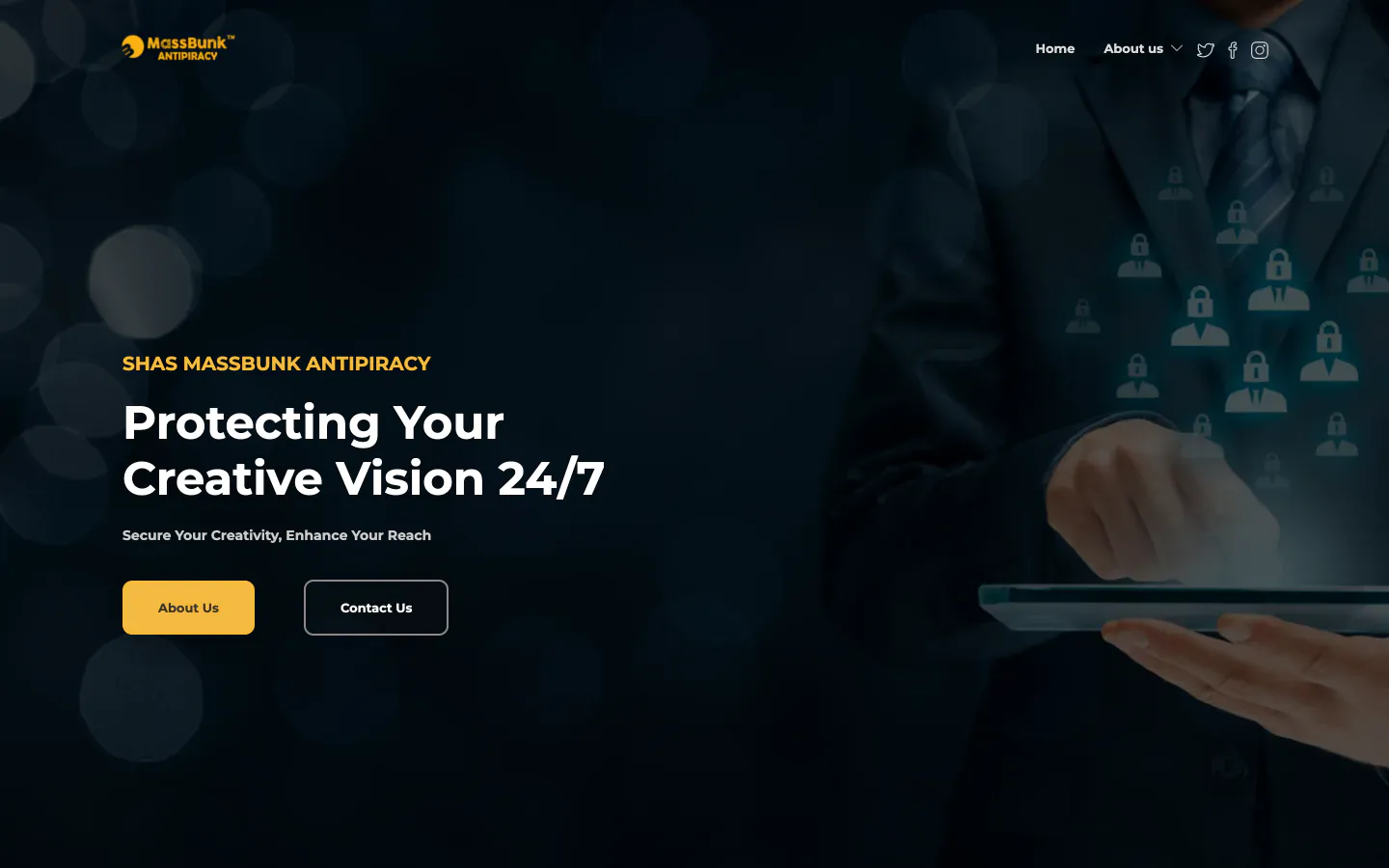
Not yet, and we won’t imply otherwise. Our closest work is lead generation for a mortgage broker in Canada and a website for an anti-piracy services firm: neither is SaaS. What carries over is the system on this page: spend traced to pipeline in your CRM, cost per SQL every Monday, and outbound inside each country’s rules. The first two weeks audit your current pipeline before any new spend.

Next step

Show the board CAC payback
by channel.

Book a free call

Marketing that shows up in your revenue.

Book a free 30-minute strategy call with Sunandha and the team.

We use these details only to reply to you and prepare for the call. See our privacy policy.

Open the full page